
TL;DR: If you’re planning window replacement or other exterior construction projects, understanding whether a contractor is licensed and insured is essential.
This guide explains how to hire a licensed contractor, how licensing works in Virginia and MD, and how to protect yourself before hiring a contractor.
- What it means to work with a licensed window contractor in VA and MD
- How to check if a contractor is licensed and insured through local licensing boards
- The risks of choosing a licensed vs an unlicensed contractor
- What types of insurance and bonding requirements protect homeowners
- Why proper insurance coverage matters for construction projects
———————
If you’re planning window replacement or other exterior construction projects, one of the most important questions to ask before hiring a contractor is whether they are properly licensed and insured. In Virginia and Maryland, licensing and insurance requirements exist to protect homeowners, and understanding them can help you avoid costly mistakes.
Are Window Contractors Required to Be Licensed in VA and MD?
Yes, most window contractors working in Virginia and Maryland must be licensed to perform home improvement work. A licensed window contractor has met state requirements for experience, testing, and compliance with local regulations. These licenses are issued and monitored by official licensing boards, which exist to protect consumers and maintain industry standards.
Before hiring a contractor, homeowners should always confirm that the contractor is licensed for the type of work being performed. Requirements can vary slightly between jurisdictions, but window replacement generally falls under home improvement or specialty contracting licenses.
Quick Answers:
Are window contractors in VA / MD required to be licensed and insured?
- Virginia requires contractors performing over $1,000 in work to hold a valid VA contractor license.
- Maryland contractors must meet local licensing requirements and carry liability insurance.
- Always request proof of license and insurance before signing a contract.
- Verify credentials through state licensing boards or MD public lookup tools.
Do I need a permit to replace windows in MD or Northern Virginia?
- Standard replacement (same size, non‑structural) usually does *not* require a permit.
- Historic districts (e.g., Old Town Alexandria) often require additional approvals or have unique specifications.
- Structural changes—resizing, reframing—almost always require a permit.
- Ask your contractor if they handle permits on your behalf.
How to Check if a Contractor Is Licensed and Insured
Homeowners can easily learn how to check if a contractor is licensed and insured by visiting their state or local licensing board website. In Virginia and Maryland, these online databases allow you to search by company name or license number to confirm current license status, consumer complaints, and disciplinary actions.
- Virginia’s Department of Professional and Occupational Regulation
- Maryland’s Home Improvement Commission
You should also ask for contractor proof of insurance directly. A reputable contractor will gladly provide documentation and explain their coverage.
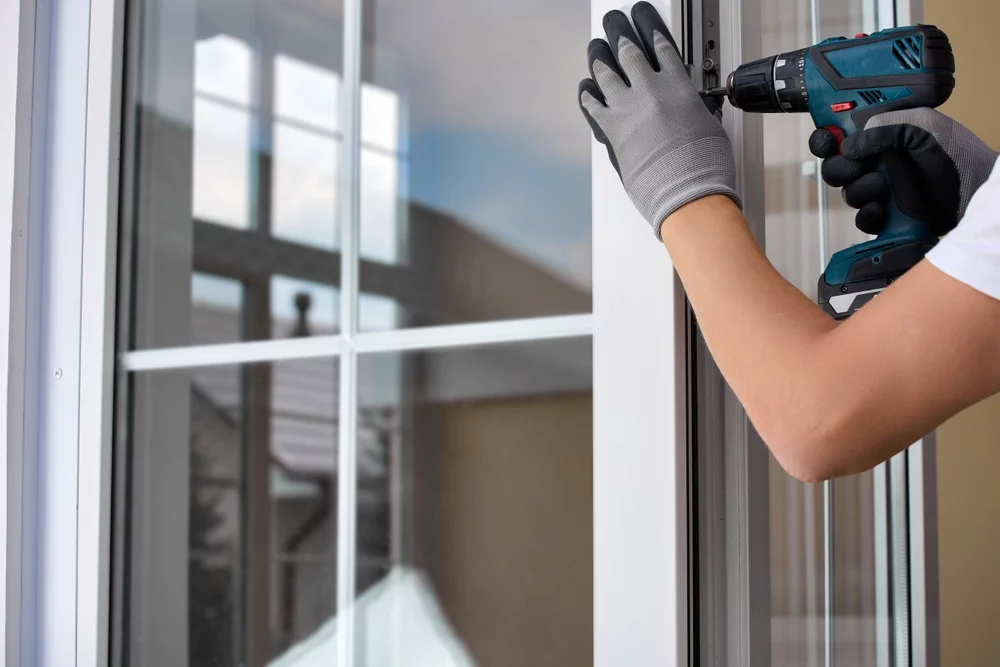
Licensed vs Unlicensed Contractor: Why It Matters
The difference between a licensed vs unlicensed contractor is more than paperwork. Licensed contractors are accountable to regulatory boards, must follow building codes, and typically carry required insurance and bonding.
Unlicensed contractors may offer lower prices, but they often lack proper insurance coverage, leaving homeowners exposed to risks such as property damage, unfinished work, or serious liability issues if someone is injured on your property.
Insurance and Bonding Requirements for Contractors
Licensed contractors typically carry multiple types of insurance, including:
- General liability insurance
- Workers’ compensation insurance
These policies protect both the homeowner and the contractor during construction projects. In some cases, bonding requirements for contractors may also apply. Bonds provide additional financial protection if a contractor fails to complete work as agreed.
When hiring a licensed professional, always confirm their insurance is current and appropriate for your project.
Why Hire a Licensed Contractor for Window Replacement?
There are many reasons why you should hire a licensed contractor instead of taking a risk with an unlicensed option. Licensed professionals bring experience, accountability, and adherence to local building codes. They understand permitting requirements, safety standards, and proper installation techniques.
Most importantly, hiring a contractor who is licensed and insured gives homeowners peace of mind. With licensed professionals, you know your investment is protected, your home is safe, and your project is being handled by a contractor who stands behind their work.
Final Thoughts
Whether you’re replacing one window or planning a larger exterior upgrade, verifying credentials should always be the first step. Taking the time to confirm licensing, insurance, and bonding helps ensure your project is completed safely, legally, and to the highest standard. Windows on Washington is fully licensed, bonded and insured, with a lifetime service warranty on all windows.
Learn more about Windows on Washington’s many Awards and Associations