Casement & Awning Windows in Northern Virginia & Maryland

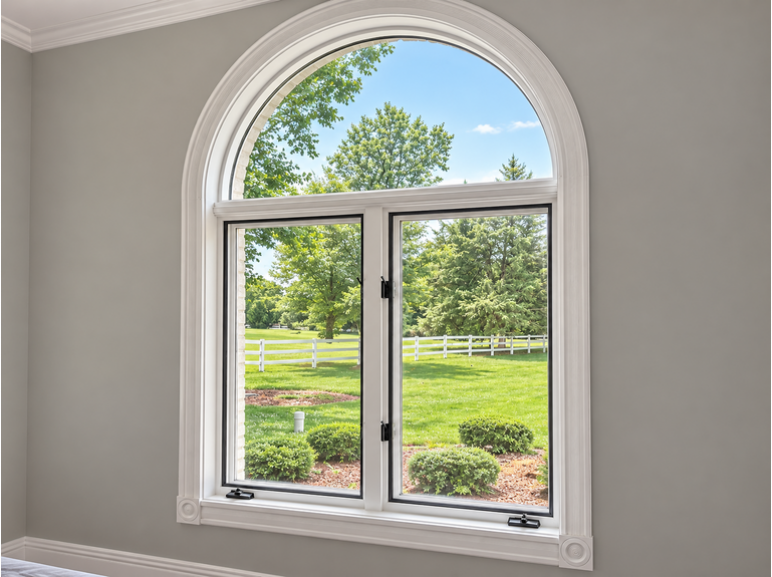
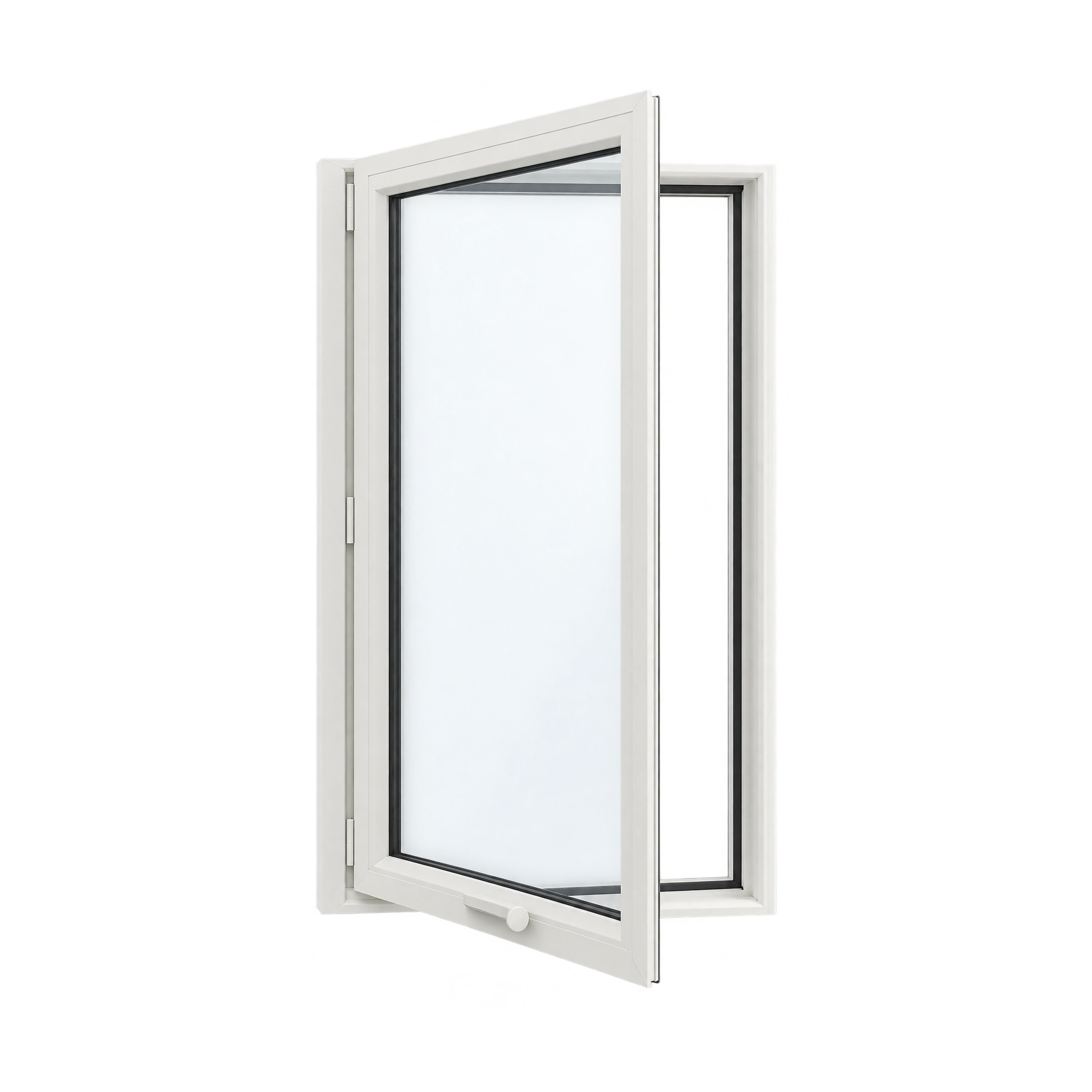
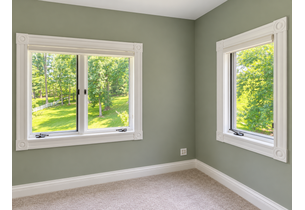
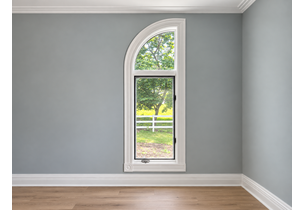
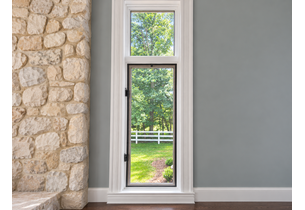
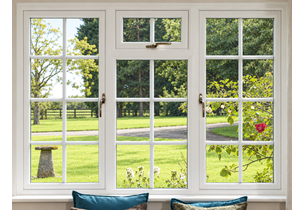
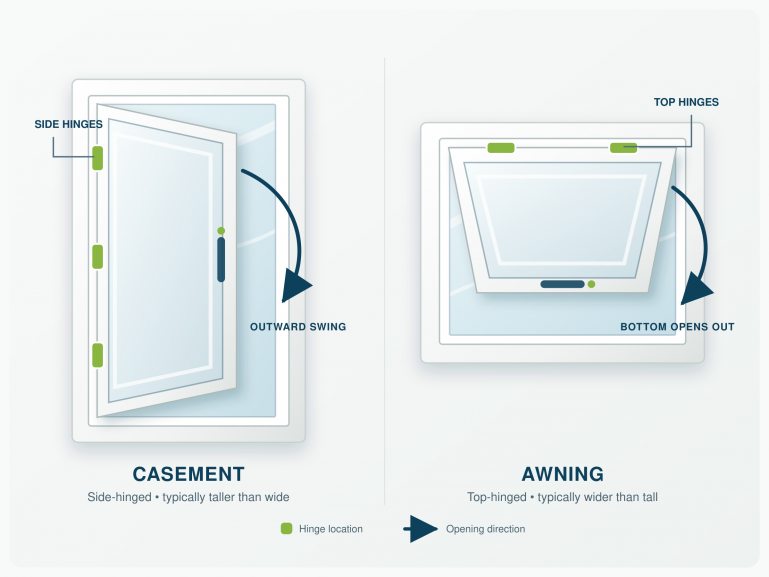
Casement and awning windows open outward with a crank, creating broad ventilation and clean sightlines. The difference? Casements are hinged at the side and awnings are hinged at the top. Our local window experts will help you choose the right style, size, placement, glass, finish, and installation for your home.

FRESH AIR, UNOBSTRUCTED VIEWS, COMFORTABLE LIVING

How do Casement & Awning Windows Work?

Casement and awning windows are a great window replacement option for homes where fresh air and unobstructed views are a must. Casement windows open to the side, allowing them to catch the breeze, and awning windows hinge at the top, letting you enjoy fresh air while keeping the elements out.

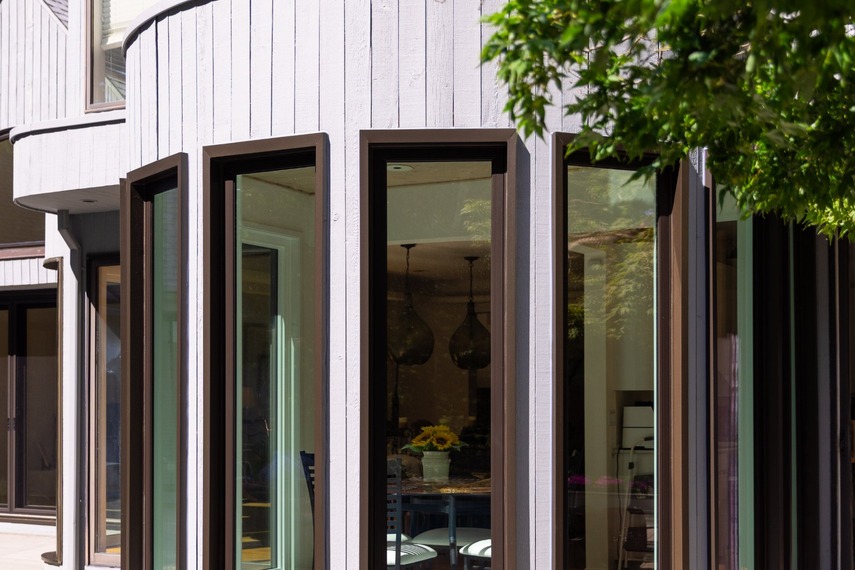
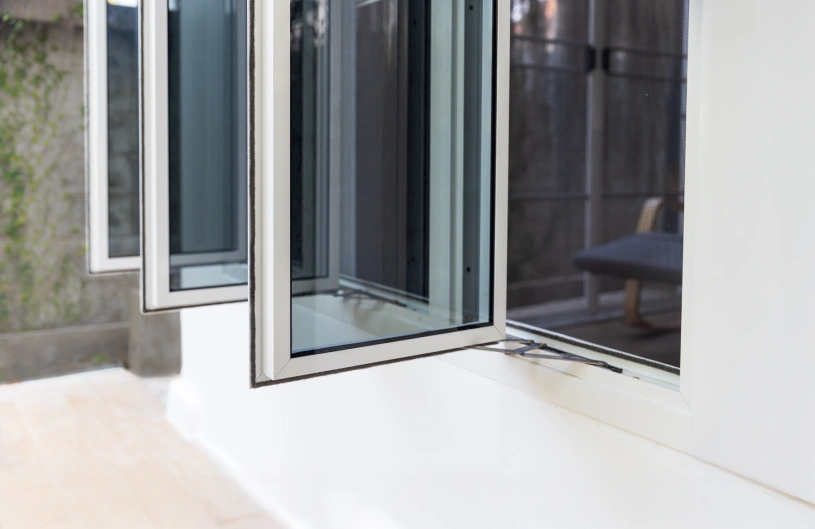
Casement windows open fully from the side, allowing them to catch passing breezes and direct more fresh air into the room.
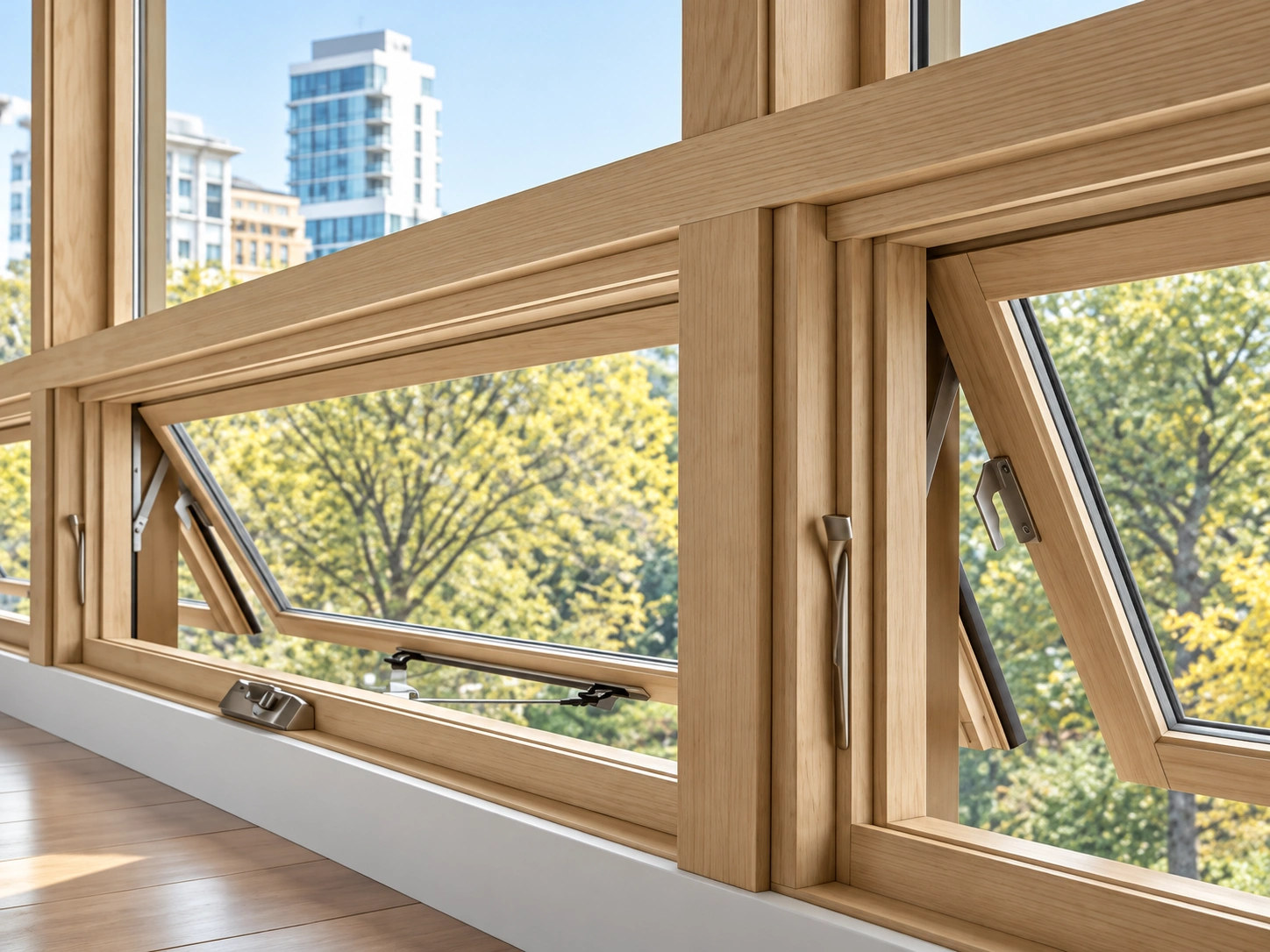
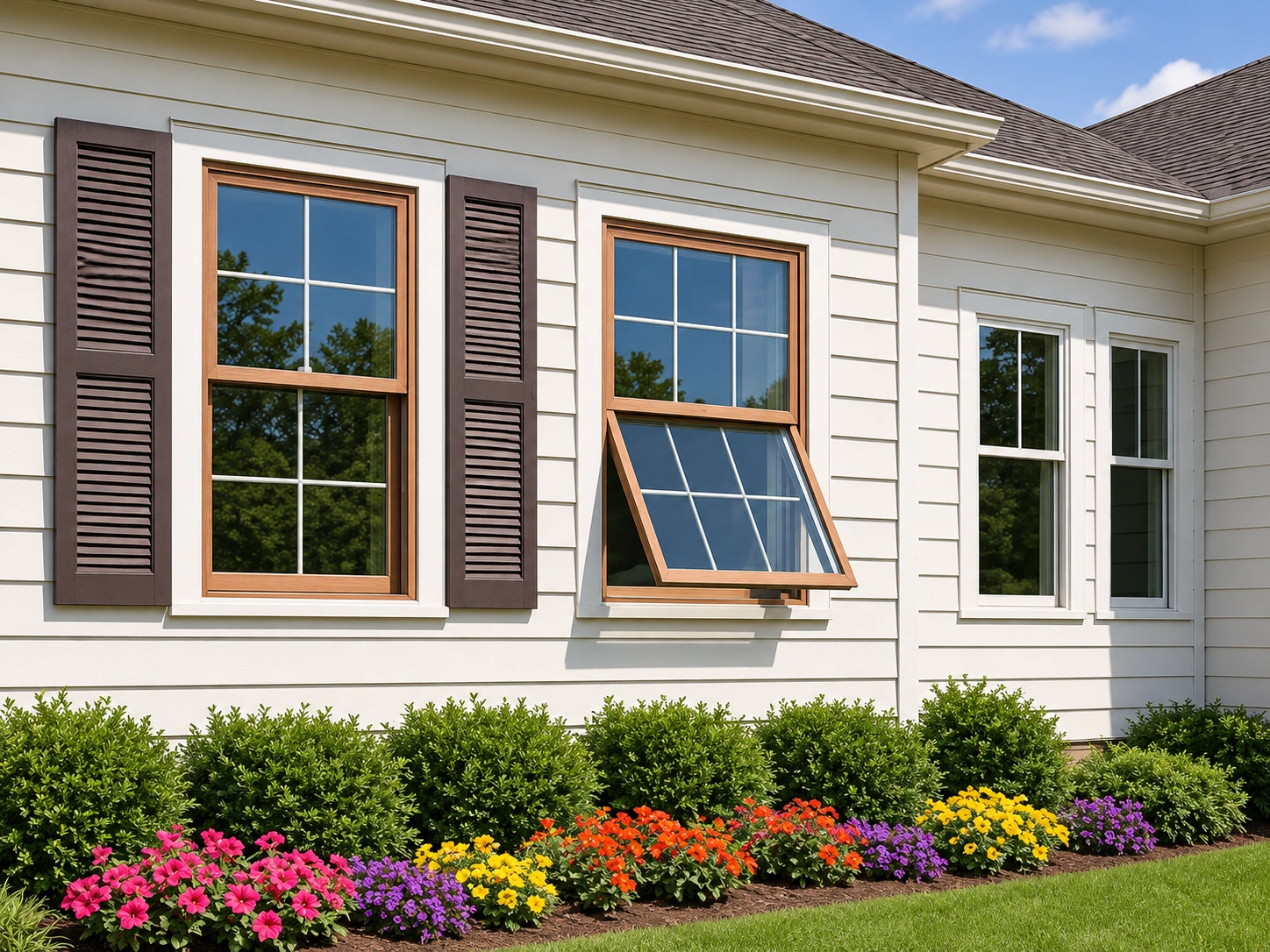
The top-hinged design of an awning window helps shelter the opening, allowing you to enjoy fresh air while helping keep light rain outside.
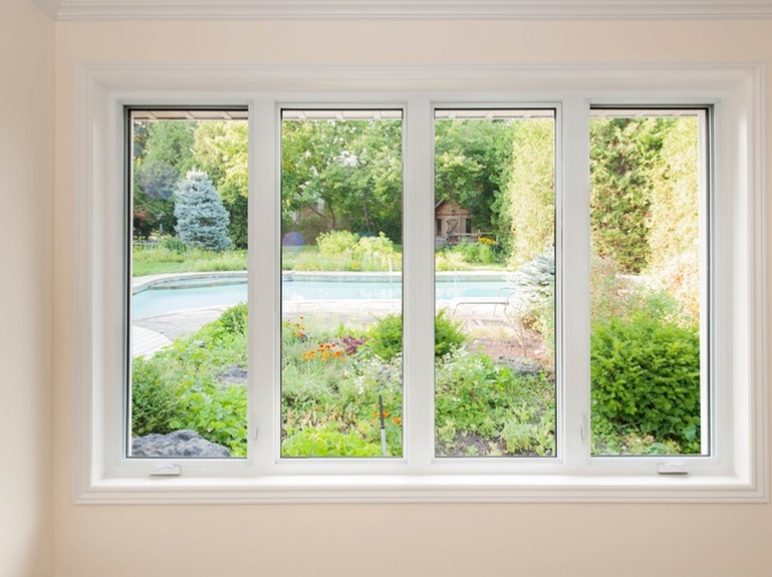
Casement windows use one broad pane of glass without a meeting rail through the center, giving you a clearer view of the outdoors.
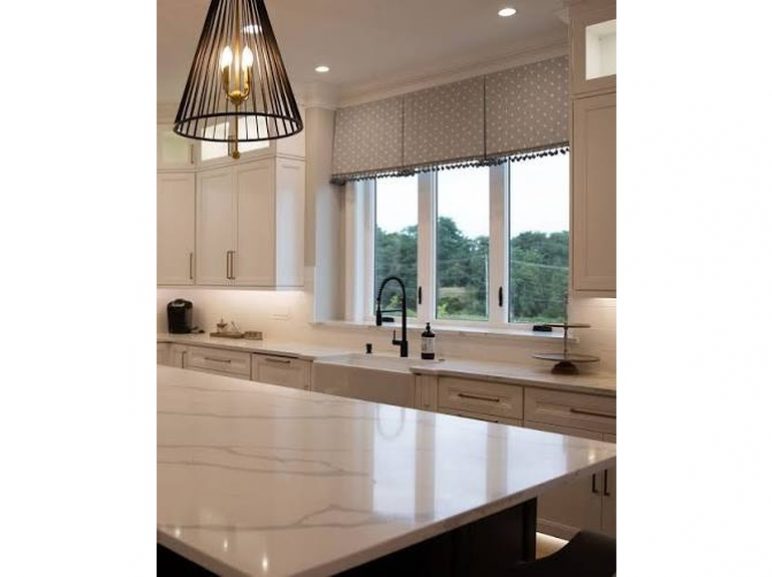
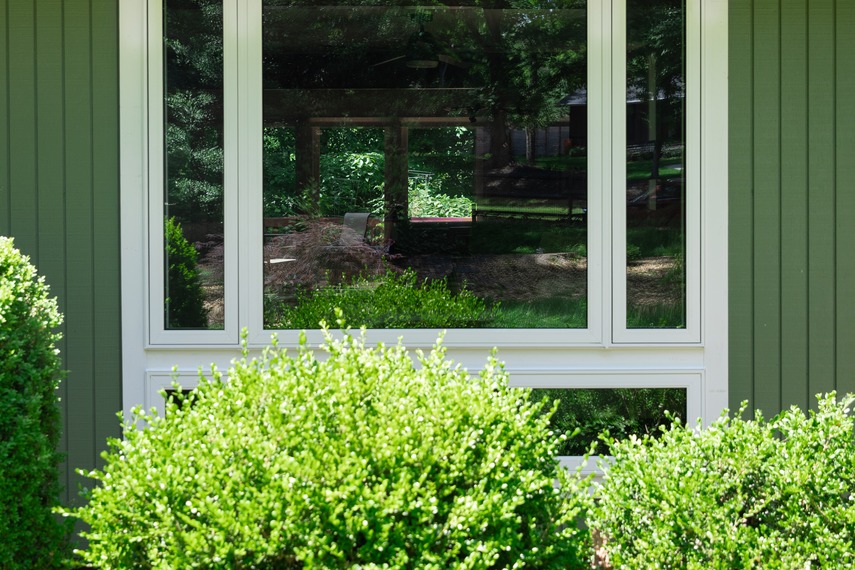
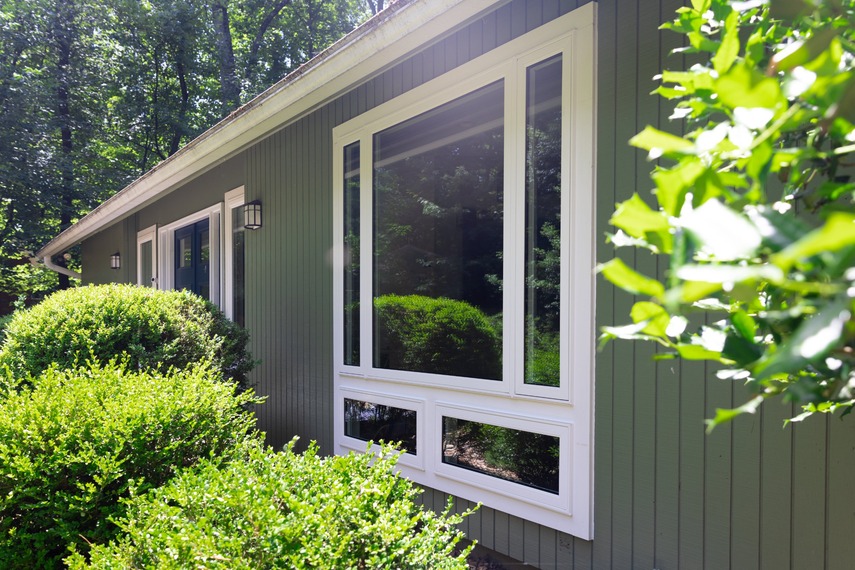
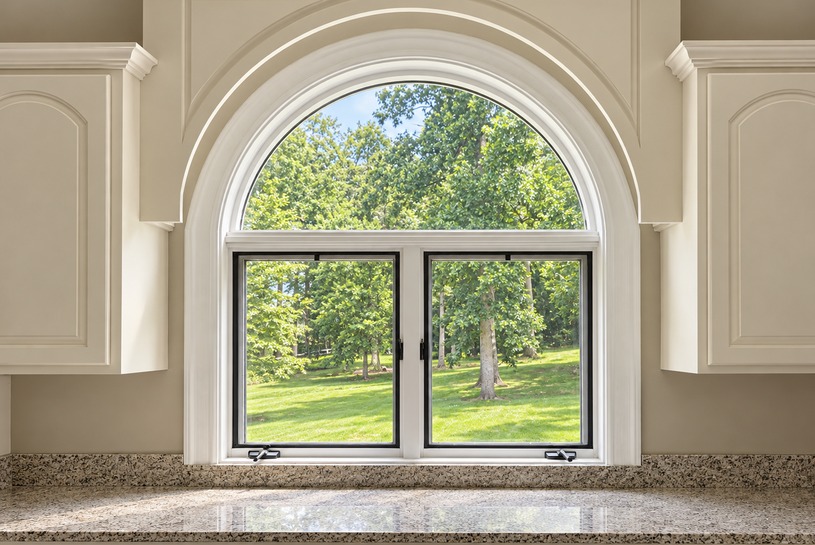
Their wide, compact shape makes awning windows a natural fit above sinks, beneath picture windows, or in other spaces where a taller window may not work.
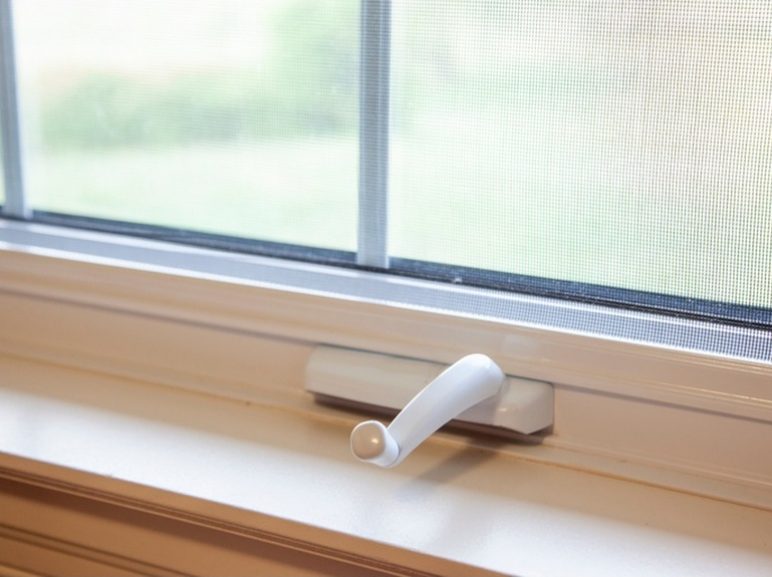
Both styles open and close with an easy-to-use crank, making them convenient in places where lifting or sliding a sash would be uncomfortable.
When closed, the sash presses firmly against the frame to help limit drafts and unwanted air leakage. Custom sizing and expert installation help both styles perform as intended.

Why Choose an Awning or Casement Window?

Both styles are hinged, but they solve different design and placement needs. Compare how each opens, how the sash uses exterior space, and what performance details matter for the exact opening.

Wide-Hinged for Broad Ventilation

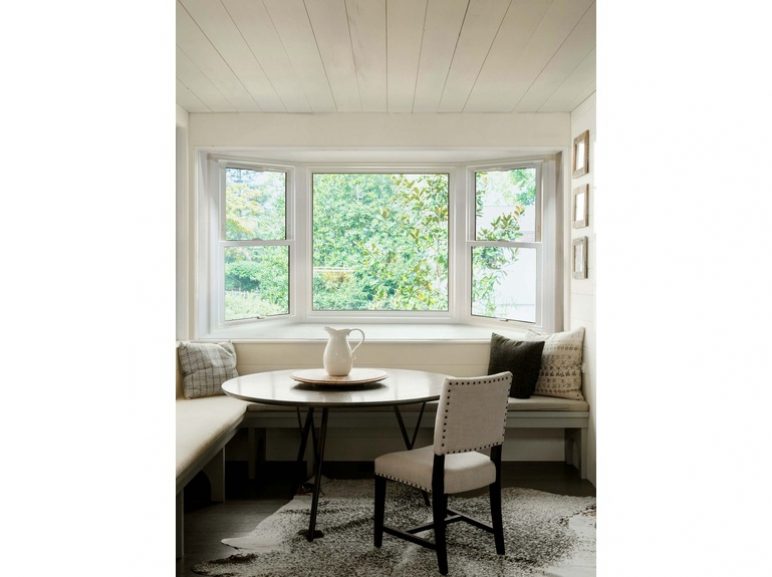
A casement window is hinged on one side and opens outward like a door. The broad opening can admit substantial fresh air, and the open sash may help direct a passing breeze into the room. A crank operator controls the movement, and product-specific locking systems draw the sash back to the frame when closed. Casements often work well in taller openings, above counters, or beside a fixed picture window. Plan for the path of the open sash outside; a projecting window may not suit a busy walkway, patio, deck route, or landscaping that sits close to the wall.

Perfect for Wide or Higher Openings

An awning window is hinged at the top and opens outward from the bottom. Its shape makes it a useful option for wider, shorter openings and higher wall locations like bathrooms, basements, and combinations placed above or below fixed glass. And the top hinge helps shield the opening from light rain if you want to enjoy a fresh breeze in the Spring

Performance: Why the Install Matters

Because a hinged sash closes against the frame, casement and awning windows generally have lower air leakage than sliding styles. The exact result still depends on the frame, glass, weatherstripping, locking system, size, and quality of the installation.

Match the Hinge
to the Room

Start with the opening’s proportions and surroundings. Casements often favor tall, narrow spaces; awnings often favor wide, short spaces or high placements. Consider the handle reach, window treatments, furniture, landscaping, walkways, roof drainage, and required egress. Then coordinate color, grids, hardware, glass, and adjacent fixed or operable units.

A Clear Process, From First Conversation to Project Completion

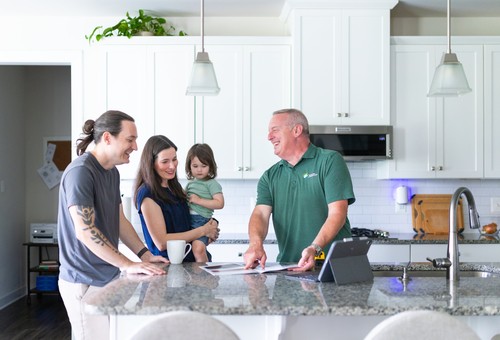
Design Consultation

Share your goals and priorities with one of our local window experts.
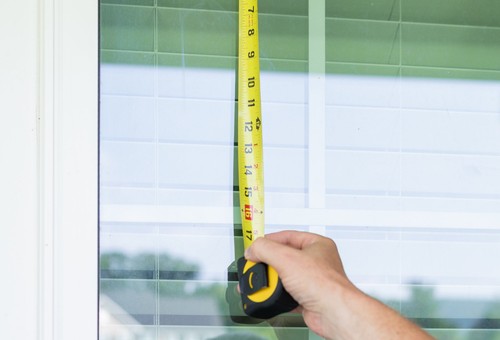
Measure & Ordering

After your measuring appointment, our team will check every detail and keep you updated along the way.
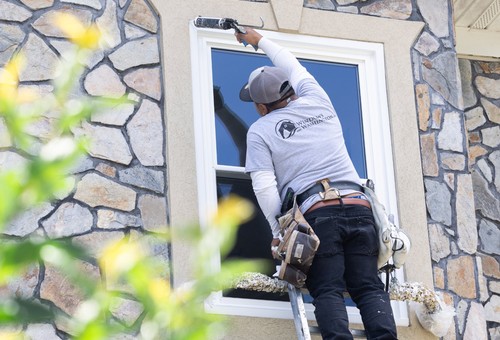
Installation Day

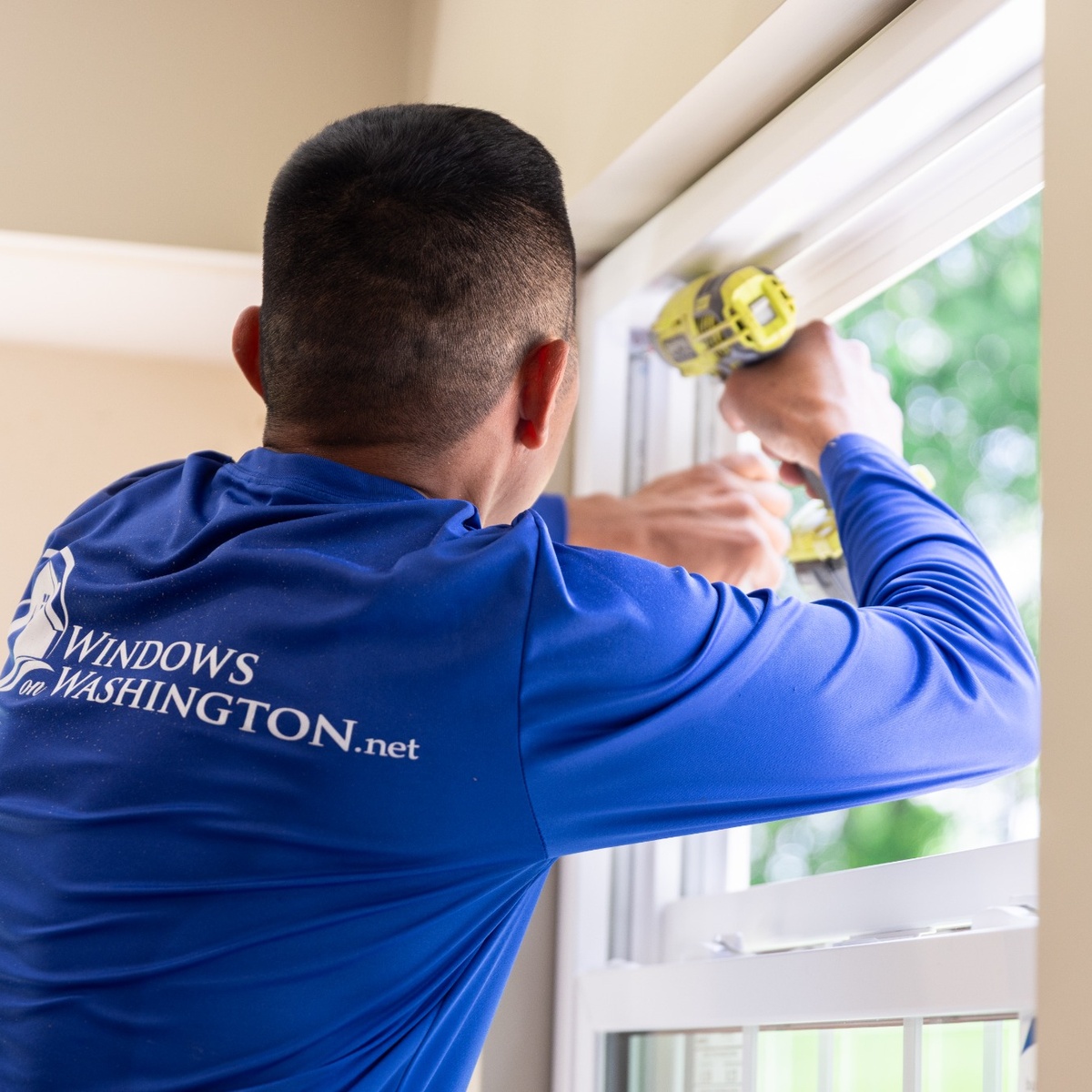
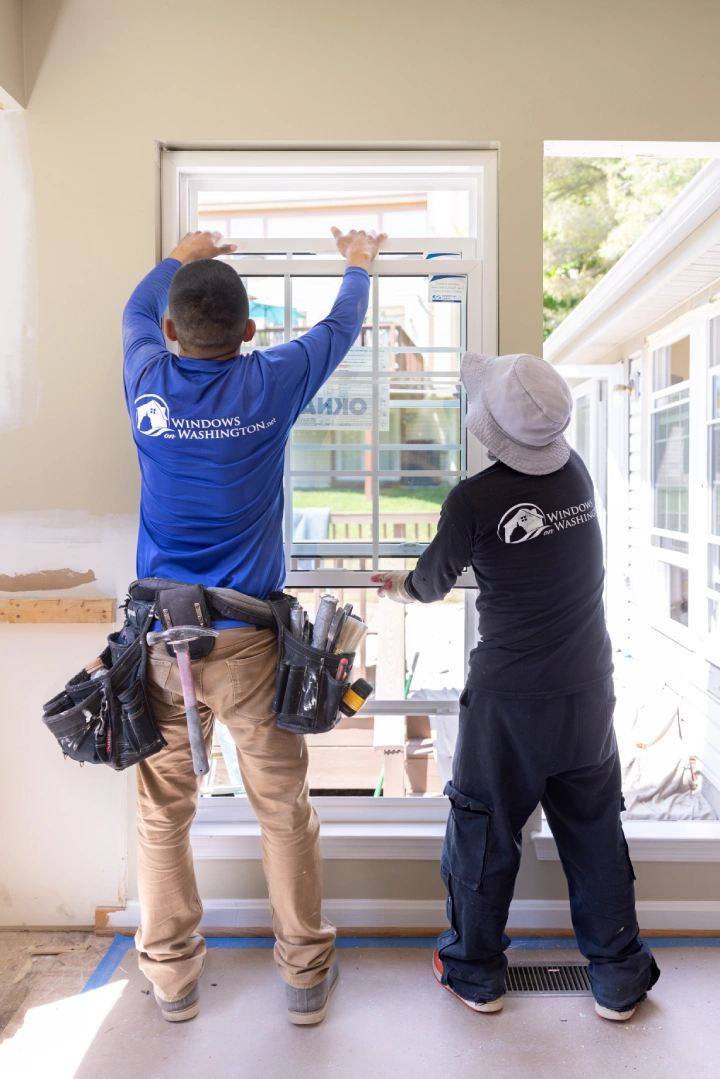
We’ll protect your home before expertly installing your windows and doors.
Continued Support

One team, one point of contact. If you have a question or need service, we’ll be there.
Casement vs Awning: What’s the Difference?

Casement windows open outward from side hinges, while awning windows open from the top. Both offer ventilation and clear views. The best fit depends on your room’s layout, window dimensions, ease of operation, outdoor clearance and any requirements for an emergency exit.

Highlights

  • Casement: Side-hinged windows open outward.
  • Awning: Top-hinged windows open outward from below. vitae suspendisse sit nisl et.
  • Placement: Consider walkways, decks, landscaping and weather exposure.

The WoW Experience, in Their Words

Trusted Window Products

Starmark EVO

A premium composite window that pairs exceptional strength and energy efficiency with the timeless look of painted wood. Starmark EVO is ideal for homeowners who want lasting performance without compromising on design.

Enviro-Star

Enviro-Star combines the classic character of a wood window with the easy care and energy efficiency of premium vinyl. Its refined details and customizable finishes create an elevated look for traditional and modern homes.

Insul-Tec

Insul-Tec offers dependable energy efficiency, thoughtful design, and lasting value. With attractive profiles and several customization options, it is a versatile choice for homeowners seeking quality and comfort.

Our Window Installation Warranty

We stand behind qualifying full-replacement window installations with a lifetime workmanship warranty, including accidental glass breakage and a 90-day courtesy screen replacement. Your windows are also protected by the applicable manufacturer warranty, with coverage varying by product.

FAQs: Common Casement & Awning Window Questions

They can be excellent performers. Because the sash closes by pressing against the frame, the U.S. Department of Energy says casement and awning windows generally have lower air leakage than sliding styles. Compare the exact product’s NFRC ratings, glass, seals, locks, size, and installation before deciding.

The outward-tilted sash can help shield the opening during light rain, depending on wind and exposure. It does not make the opening waterproof. Close and secure the window during severe weather, wind-driven rain, or whenever moisture could enter and damage the home.
They often are because the crank can be easier to operate than lifting a sash—if the handle is comfortably within reach. Counter depth, faucet placement, window treatments, screen access, and the path of the sash outside should all be checked first.
Some casement designs open wide enough to provide good access to exterior glass from inside, but the opening angle and cleaning method vary by product. Confirm operation on the exact model and follow the manufacturer’s cleaning instructions.
Potentially, but the style name is not enough. The clear opening width, height, area, sill height, hardware, and local code determine whether a specific configuration meets emergency escape and rescue requirements. WoW will help evaluate the opening, and final code compliance should be confirmed for the project location.
Quality locks and, on some products, multi-point locking systems can draw the sash firmly into the frame and add reinforcement. No operable window is intrusion-proof. Use the supplied locks, close the window when the home is unattended, and discuss safety or opening-control options for the room.

WINDOW DESIGN IDEAS

Explore Other Window Types

Double-Hung Windows

Both sashes operate for flexible ventilation and easier access.
Sliding Windows

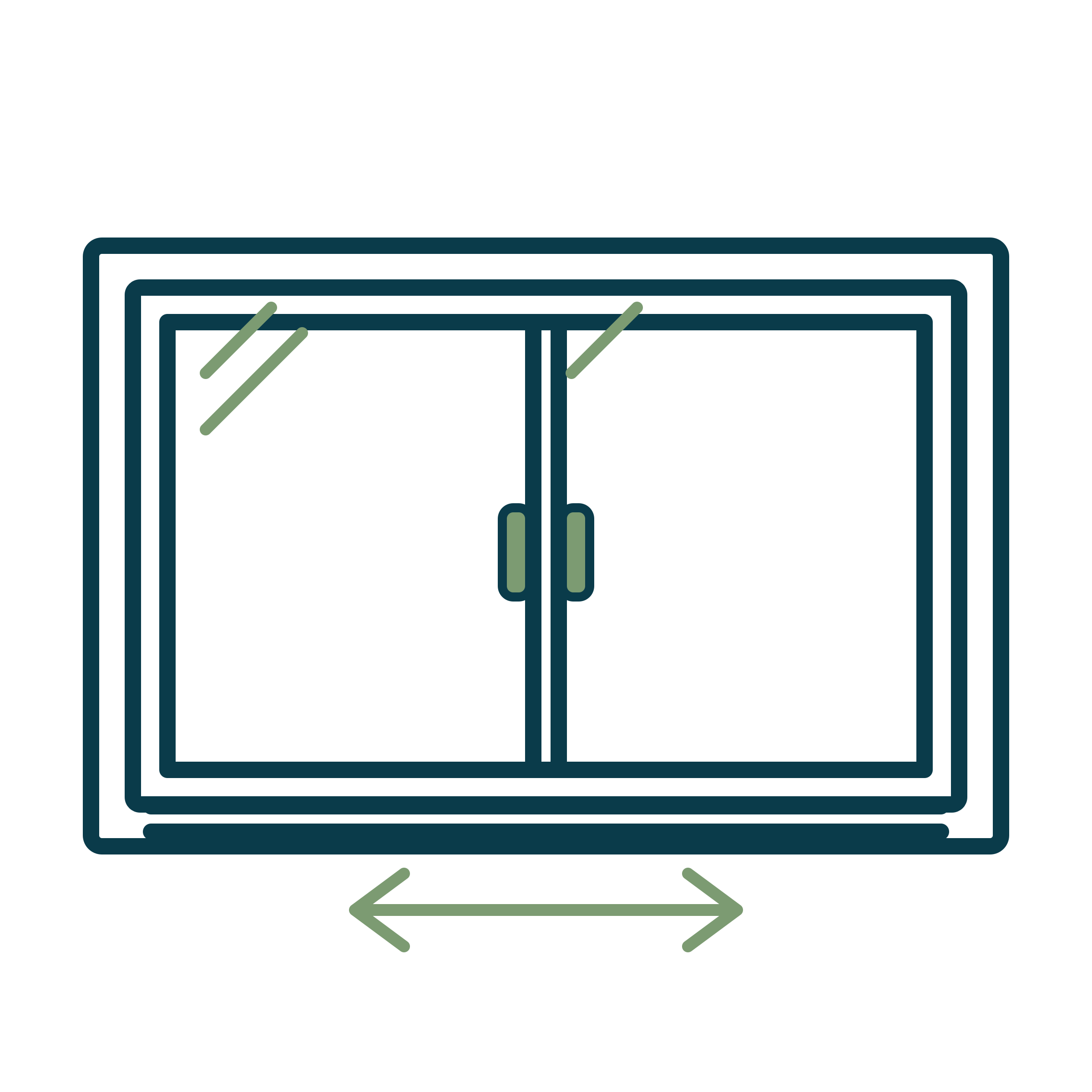
Horizontal operation makes sliders a practical option where the opening is wider than it is tall.
Bay & Bow Windows

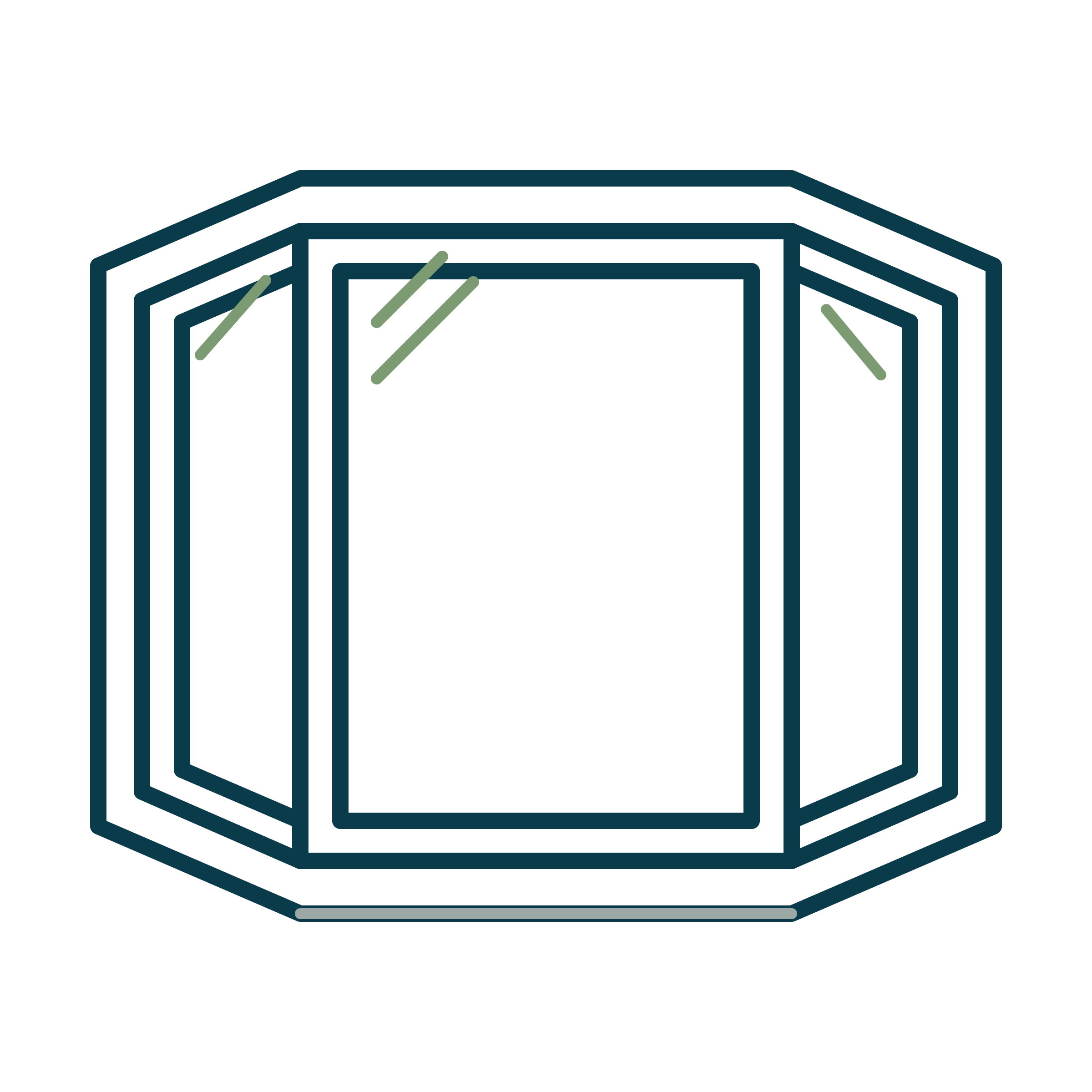
Projecting combinations add dimension, daylight, and a natural focal point inside and outside the home.

Picture Windows

Fixed windows maximize glass area, daylight, and views where ventilation is not required.
Helpful Window Resources

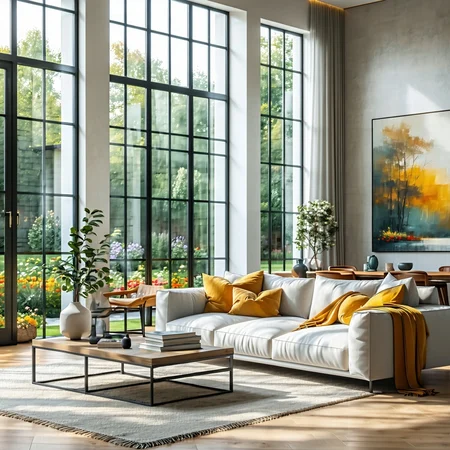
Take advantage of over 20 years of experience to help you plan your project with confidence.