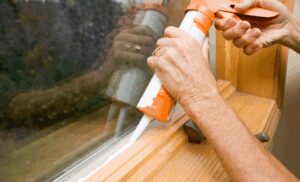
Many homes have numerous sites where cracks or gaps allow for the exchange of indoor and outdoor air. While these gaps are typically most noticeable during the winter when cold air seeps into the home, they can cause problems all year round. These problems aren’t just limited to energy efficiency.
The air sealing process locates and permanently closes these gaps to create an airtight envelope around the house, preventing the exchange of air and facilitating more efficient heating and cooling.
 |
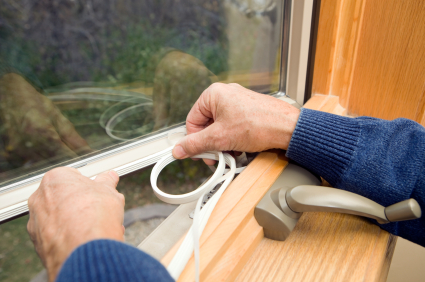 |
While windows and doors are the most noticeable sites where air leaks commonly occur, there are many other places where they can happen, particularly in attics and basements.
The following areas should also be monitored.
- All exterior walls, particularly in corners
- Attic hatches
- Attic knee walls
- Wiring holes and electrical outlets
- Plumbing vents and air vents
- Open soffits
- Recessed lights
- Points in the basement where the foundation meets the home’s wooden framing (rim joists)
- Furnace flues
In addition to being a major cause of home energy inefficiencies, air leaks can also lead to elevated indoor humidity levels, especially in attics and basements. This can lead to the proliferation of mold deposits, and it can also cause wooden structural elements to warp and/or rot. Both of these problems require expensive professional remediation, making preventive interventions crucially important.
An Energy Audit provides a comprehensive assessment of all these areas as well as the overall efficiency of your home. In addition, our auditors will create a customized air sealing and insulation strategy to increase your home’s efficiency, decrease heating and cooling costs, and maximize your return on investment. Contact Windows on Washington for solutions to improve the comfort level of your home!