TL;DR: Choosing the right window replacement warranty is just as important as selecting the windows themselves. This guide will explain:
- The difference between a window manufacturer’s warranty and a window installation warranty
- What standard warranties for window replacements typically cover
- Why transferable warranties add value and resale appeal
- How to identify the best warranties for window replacements in 2026
- Red flags to avoid when comparing window companies and warranty terms
When planning a window replacement project, homeowners often focus on aesthetics, energy efficiency, and cost. But just as important – and often overlooked – is the warranty. A strong warranty protects your investment and ensures your windows perform as expected for years to come.
Not all warranties are created equal. Understanding what contractors should offer helps you compare window companies more confidently and avoid unpleasant surprises later.
Why Warranties Matter in Window Replacement
A quality window replacement is both a product investment and an installation investment. Even the best windows won’t perform as intended if they’re installed improperly. That’s why warranties should address both the window itself and the installation.
The right warranty ensures that if something goes wrong (whether it’s a defect, performance issue, or installation error), the window can be repaired or replaced without unnecessary stress or additional expense.
The Two Core Warranties Every Contractor Should Offer
1. Window Manufacturer’s Warranty
A window manufacturer’s warranty comes directly from the company that makes the window. This warranty typically covers defects in materials or workmanship and may include components like frames, glass, hardware, and seals.
Standard warranties for window replacements from manufacturers often include:
- Coverage ranging from 10 years to lifetime
- Protection against manufacturing defects
- Glass seal failure coverage
- Hardware and balance system coverage
It’s important to ask what the warranty covers and what it does not. Some warranties have exclusions or prorated coverage over time, which can affect long-term value.
2. Window Installation Warranty
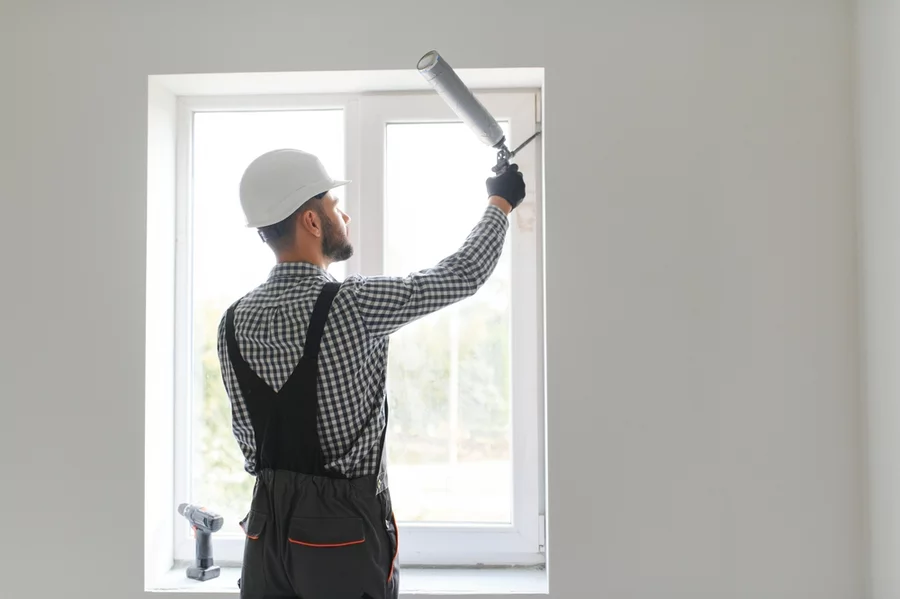
A window installation or “service warranty” is just as important as the manufacturer’s warranty. This coverage is provided by the contractor who installs the window, and it protects against installation-related issues such as air leaks, water intrusion, or operational problems caused by improper installation or aging over time.
Reputable Contractors who stand behind their work typically offer:
- Multi-year or lifetime insteallation warranties, like Windows on Washington
- Coverage for labor and workmanship
- Clear and efficient service request processes if a warranty claim is necessary
Without an installation warranty, homeowners may be left paying out-of-pocket for servicing or repairs, even if the window itself is covered.
What Should a Strong Window Replacement Warranty Cover?
When evaluating warranties, homeowners should look for clarity and completeness. A strong warranty clearly defines what it covers, how long coverage lasts, and how claims are handled.
A comprehensive warranty typically covers:
- Defects in materials or manufacturing
- Installation-related issues
- Performance problems tied to workmanship
- Conditions under which windows may be repaired or replaced
Knowing exactly what the warranty covers helps avoid misunderstandings and unexpected expenditures years after installation.
Are Transferable Warranties Important?
Yes, especially if you plan to sell your home. Companies with transferable window warranties allow coverage to pass to the next homeowner, often for a small administrative fee or within a defined time period. A transferable warranty option adds real value by increasing resale appeal, reassuring future buyers, and demonstrating confidence in both product quality and installation workmanship. Many homeowners don’t realize how much a transferable warranty can influence buyer trust and perceived value during the resale process. Windows on Washington permits warranty transfer to one additional homeowner, another reason to feel confident in your WoW investment!
Best Warranties for Window Replacement 2027: What to Look For
As homeowners look ahead to the best warranties for window replacements in 2026, 2027 and onward, expectations are higher than ever. The strongest warranties today focus on simplicity, long-term protection, and homeowner convenience.
Top warranty features include:
- Long or lifetime coverage terms
- Clear, written documentation that is easily accessible
- Non-prorated coverage when possible
- Transferability options
- Accessible, well-documented claim processes without excessive fine print
Window companies offering these premium protections tend to prioritize customer experience, not just the sale.
Common Warranty Red Flags
Not all warranties offer meaningful protection. The Federal Trade Commission recommends reviewing a warranty’s duration, coverage, exclusions, available remedies, and claims process. Some red flags include:
- Vague or verbal-only warranty promises
- Limited labor coverage
- Short installation warranty periods
- Complicated claim procedures / no visible claim submission option on the company website
- Exclusions that reduce real coverage
The FTC advises homeowners to request a written agreement and ensure that promises made during conversations are included. If a contractor struggles to explain their warranty or will not document their promises, pause and ask additional questions.
How Warranty Coverage Impacts Long-Term Value
Warranties are about protecting long-term value. A strong warranty helps ensure your window replacement continues to perform as intended for years, and often decades, after installation.
When windows are properly covered, homeowners experience fewer maintenance concerns and reduced risk of unexpected repair costs. That protection helps preserve home comfort, energy efficiency, and overall performance over time.
This level of coverage also provides ongoing peace of mind, which is especially important given the long lifespan of modern replacement windows and the significant investment they represent.
Questions Homeowners Should Ask Contractors About Warranties
Before choosing a contractor, ask:
- What does the window replacement warranty include…and what does it exclude?
- Is the window installation warranty separate from the manufacturer’s warranty?
- How long does the installation warranty coverage last?
- How long does the manufacturer’s warranty coverage last?
- Is the warranty transferable to future homeowners?
- Who handles warranty service: the contractor or manufacturer?
- What is the process to make a replacement or repair claim under warranty?
Clear answers signal professionalism and accountability.
Why Reputable Window Companies Emphasize Warranty Transparency
Trusted window companies understand that warranties reflect confidence. Contractors who provide detailed, written warranties demonstrate they expect their windows and installation to perform well long after the project is complete.
This transparency builds trust and reinforces the contractor’s commitment to craftsmanship, product performance, and long-term customer satisfaction.
The Bottom Line
The right window replacement warranty does more than cover defects, it protects your home, your investment, and the future comfort of your home. When evaluating contractors, always look beyond the window itself and focus on warranty coverage for both product and installation.
Strong warranties, transferable options, and clear terms are signs you’re working with a contractor who values quality and accountability. By understanding what warranties should be offered, homeowners can move forward with confidence knowing their new windows are protected for years to come.